How Screen Time Contributes to Myopia
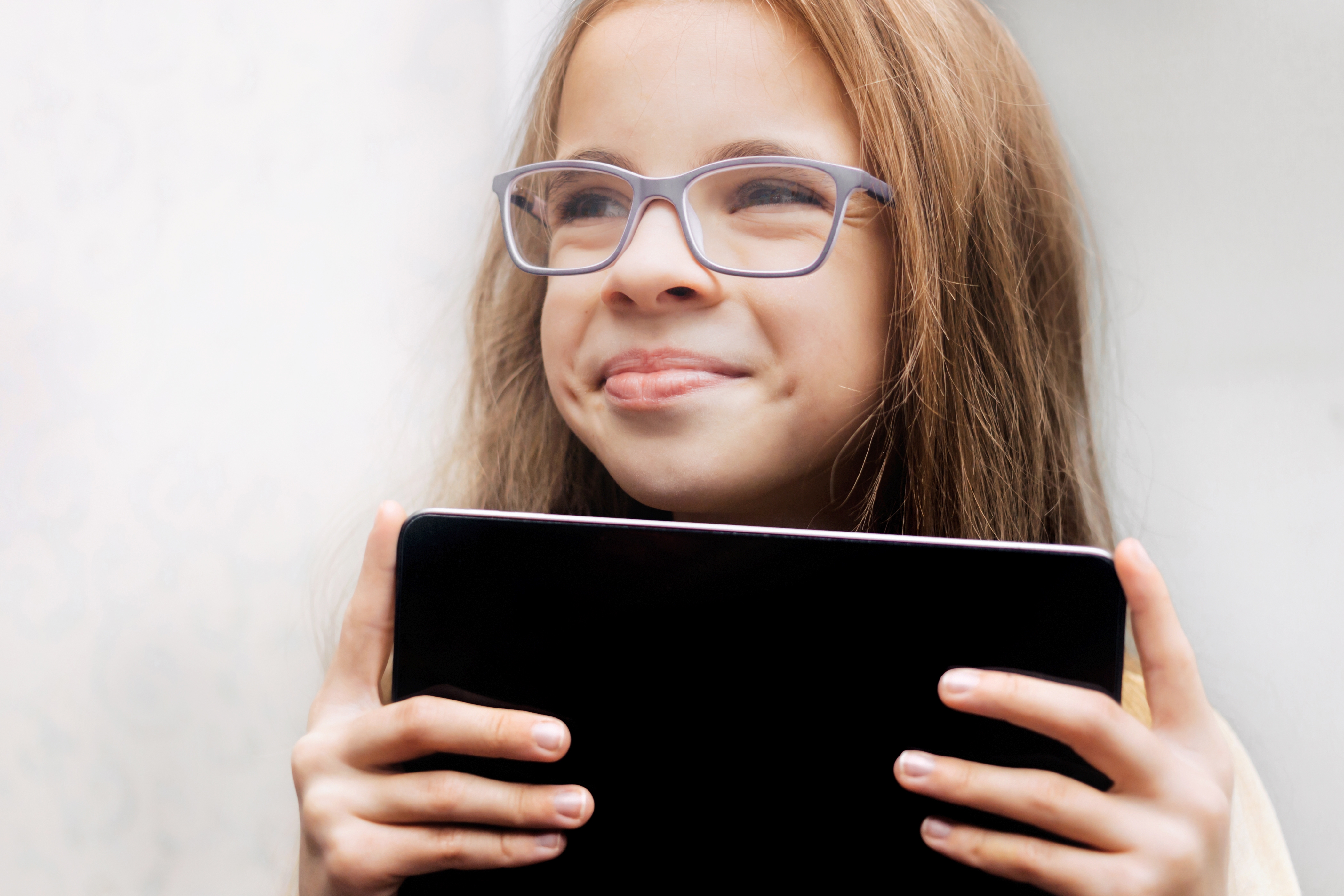
Screen time is part of daily life for many children, from schoolwork and tablets to gaming and phones. While digital devices are not the only reason myopia develops, long periods of near work can contribute to eye strain and may play a role in the progression of nearsightedness. For growing children, this makes regular eye exams and early myopia management especially important.
What Is Myopia?
Myopia, also called nearsightedness, means distant objects appear blurry while close-up vision may remain clear. In children, myopia often progresses as the eye grows. As the eye becomes longer, light focuses in front of the retina instead of directly on it, which affects distance vision.
Myopia is more than just needing stronger glasses each year. Higher levels of myopia can increase the risk of eye health problems later in life, including retinal disease, glaucoma, and other vision complications. That is why controlling myopia progression early can make a meaningful difference.
How Screen Time Affects Children’s Eyes
Digital devices require the eyes to focus up close for extended periods. When children spend hours reading, scrolling, or playing on a screen without breaks, their focusing system stays engaged for long stretches of time. This can lead to tired eyes, headaches, blurred vision, and difficulty shifting focus from near to far.
Screen time may also reduce outdoor time. Research has shown that spending time outdoors is beneficial for children’s visual development. When screen use replaces outdoor play, children may miss out on a protective factor that supports healthier eye growth.
Signs Your Child May Be Developing Myopia
Parents may not always notice myopia right away, especially if a child assumes blurry distance vision is normal. Common signs can include:
- Squinting to see the board, TV, or distant objects
- Sitting too close to screens
- Complaining of headaches or tired eyes
- Holding books or devices very close
- Difficulty seeing during sports or in the classroom
- Needing frequent prescription changes
If these symptoms appear, a pediatric eye exam can help determine whether myopia is present and whether treatment may be needed.
Healthy Screen Habits Can Help
Screen time does not always need to be eliminated, but healthier habits can reduce visual stress. Children should take regular breaks, keep devices at a comfortable distance, and avoid holding screens too close to the face. The 20-20-20 rule can be helpful - every 20 minutes, look at something 20 feet away for 20 seconds.
Encouraging outdoor activity is also important. Even small changes, such as more outdoor play after school or family walks, can help balance the amount of near work children do each day.
The Importance of Myopia Management
Traditional glasses and contact lenses correct blurry vision, but they do not always slow myopia progression. Myopia management focuses on helping control how quickly nearsightedness worsens over time.
At Optique Vision, myopia management may include options such as pharmaceutical treatment, specialty contact lenses, rigid lenses that help reshape the front surface of the eye, or MiSight daily contact lenses. MiSight is designed and FDA approved to slow myopia progression in children and may be an option for kids as young as 8.
When to Schedule an Eye Exam
Children should have routine eye exams even if they pass a school vision screening. Screenings can miss early or progressive vision problems, while a comprehensive eye exam evaluates vision, focusing ability, eye health, and risk factors for myopia progression.
If your child spends significant time on digital devices or has a family history of nearsightedness, scheduling an eye exam is a proactive step toward protecting their long-term vision.
Contact Optique Vision to schedule a pediatric eye exam and learn whether myopia management is right for your child. Visit our office in Albany, New York, or call (518) 302-2106 to book an appointment today.
Quick Links

All Eye
Care Services

Keep
In Touch
MAP
Powered by: