Signs You Should Schedule an Eye Exam Immediately
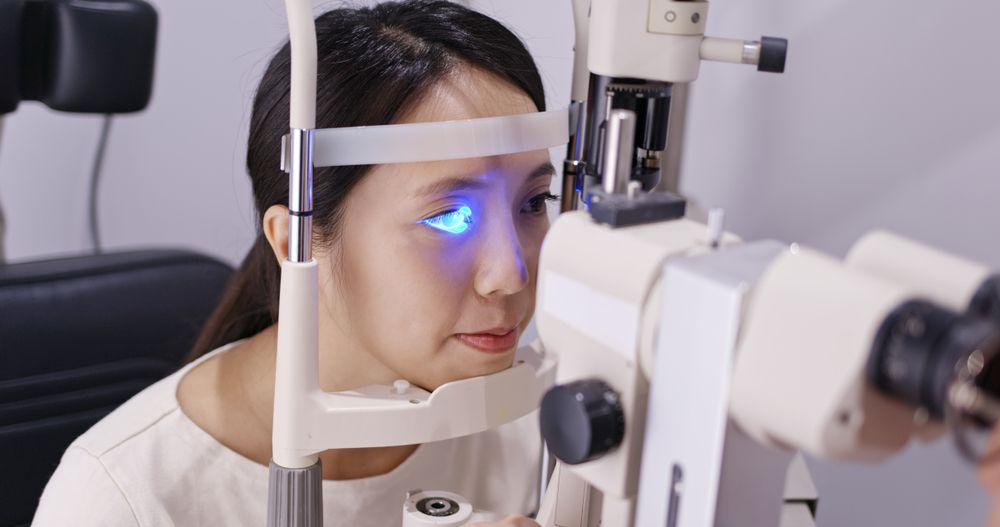
Your vision is one of your most valuable senses, yet many people delay scheduling an eye exam until symptoms become severe. While annual comprehensive eye exams are essential for maintaining long-term eye health, certain warning signs require immediate attention. At Optique Vision, we encourage patients to seek care right away when unusual or sudden changes occur. Below are important signs that mean you should schedule an eye exam immediately.
Sudden Vision Changes
Any rapid or unexplained change in your vision should never be ignored. Sudden blurriness, double vision, distortion, or partial vision loss can indicate serious issues such as retinal problems, optic nerve conditions, or circulation-related concerns within the eye. Even if the change seems temporary, it is critical to have it evaluated as soon as possible to prevent lasting damage.
Flashes of Light or a Sudden Increase in Floaters
While occasional floaters are common, a sudden burst of new floaters or flashes of light in your peripheral vision may signal a retinal tear or detachment. Some patients also describe a shadow or curtain moving across their field of vision. Retinal detachment is considered an eye emergency, and immediate treatment can be the difference between saving and losing vision.
Eye Pain or Severe Discomfort
Your eyes should not be persistently painful. Significant pain, especially when paired with redness, blurred vision, nausea, or seeing halos around lights, may indicate acute glaucoma, infection, inflammation, or a corneal injury. Acute angle-closure glaucoma in particular requires urgent care to relieve pressure inside the eye and prevent permanent vision loss.
Ongoing Redness and Irritation
Red eyes from allergies or minor irritation often resolve quickly. However, redness that persists or worsens - especially if accompanied by discharge, swelling, light sensitivity, or vision changes - could point to conjunctivitis, corneal infection, or internal inflammation. Delaying treatment may increase the risk of complications or spreading infection.
Sensitivity to Light
New or severe light sensitivity, also known as photophobia, can be a symptom of corneal damage, infection, inflammation, or even certain neurological conditions. If light sensitivity occurs alongside pain or blurred vision, it should be evaluated promptly.
Frequent Headaches and Eye Strain
Persistent headaches or eye strain, particularly after reading or prolonged screen time, may indicate an uncorrected vision prescription or issues with eye coordination. While not always an emergency, ongoing discomfort warrants a comprehensive exam to rule out underlying visual problems that could worsen over time.
Eye Injury or Trauma
Any injury to the eye should be treated as urgent. Even minor trauma can result in internal damage that is not immediately visible. If you experience pain, blurred vision, chemical exposure, or a direct blow to the eye, seeking prompt care can prevent infection and protect your sight.
Signs of Infection
Eye infections can develop quickly and escalate without treatment. Symptoms such as thick discharge, eyelid swelling, crusting, pain, or increased light sensitivity require immediate evaluation. Contact lens wearers should be especially cautious, as certain infections can progress rapidly and affect the cornea.
Vision Changes with Chronic Health Conditions
If you have diabetes, high blood pressure, or autoimmune conditions and notice changes in your vision, do not delay scheduling an exam. These systemic conditions can impact the small blood vessels in the eye, sometimes without obvious early warning signs. Early detection is essential to preventing complications.
Reach Out to Optique Vision for Emergency Eye Care
Your eyes often provide clear signals when something is wrong. Sudden vision changes, flashes of light, persistent redness, pain, injury, or unusual discomfort should never be ignored. Acting quickly can prevent complications and protect your long-term vision.
If you are experiencing any concerning eye symptoms, contact Optique Vision right away to schedule an urgent eye exam. Visit our office in Albany, New York, or call (518) 302-2106 for further guidance.
Quick Links

All Eye
Care Services

Keep
In Touch
MAP
Powered by: